The Clean Eating Myth
The term "clean eating" dominates modern health discourse, yet it remains completely undefined by regulatory bodies like the FDA or the European Food Safety Authority. What began as a well-intentioned push toward whole foods has morphed into a multi-billion-dollar marketing industry. This trend relies heavily on moralistic language, dividing foods into "clean" or "dirty" categories based on arbitrary wellness metrics.
Data from the National Eating Disorders Association indicates that the preoccupation with healthy eating has risen sharply over the last decade. While eating fresh vegetables and lean proteins is objectively beneficial, the rigid ideology surrounding the practice often creates more problems than it solves. It fosters an environment where food is judged by its purity rather than its actual nutritional value.
In practice, this lifestyle often requires eliminating entire food groups like dairy, gluten, or grains without any underlying medical diagnosis. This restriction is frequently driven by social media algorithms rather than clinical science. The result is a population that is increasingly anxious about grocery shopping, spending excessive money on specific labels while sacrificing overall dietary variety.
The Hidden Costs
The primary error of this dietary philosophy is the hyper-fixation on ingredient lists at the expense of total caloric and macronutrient balance. When individuals view food through a lens of purity, they often ignore basic metabolic realities. A "clean" dessert made with organic agave nectar, coconut oil, and almond flour can easily pack 600 calories, yet users consume it freely under the guise of health.
Conversely, this approach often leads to severe psychological distress known as orthorexia nervosa, an obsession with eating healthy food. A study published in the journal Eating and Weight Disorders found that individuals adhering to strict clean eating rules score significantly higher on orthorexic screening tools. The anxiety of consuming a "non-compliant" ingredient can trigger intense guilt and compensatory behaviors.
Furthermore, the social consequences are profound. Avoidance of restaurants, family gatherings, and travel due to the lack of "clean" options leads to isolation. When eating becomes a performance of identity rather than a means of sustenance and social connection, it ceases to serve human health in a holistic manner.
Deconstructing the Rules
The Orthorexia Pipeline
The psychological shift from health awareness to pathology happens subtly. It begins with cutting out processed sugar, moves to eliminating gluten, and eventually restricts anything not grown organically. Clinicians note that this hyper-vigilance mimics obsessive-compulsive traits, where the individual feels a false sense of control over their life by controlling their plate.
In clinical settings, patients presenting with orthorexia often show signs of severe malnutrition despite eating high volumes of kale and quinoa. The fix is cognitive behavioral therapy paired with nutritional rehabilitation. The goal is to strip away the moral labels from food, helping patients realize that an occasional processed item will not cause systemic inflammation.
Nutrient Deficiency Risks
Eliminating entire food groups without a structured substitute inevitably leads to micronutrient gaps. For instance, the widespread rejection of dairy in favor of almond milk frequently results in inadequate calcium and vitamin D intake. Almond milk contains only a fraction of the protein found in bovine milk, often leading to a lower overall protein intake for active individuals.
Similarly, avoiding all grains can deplete the body of essential B vitamins and dietary fiber, which are crucial for cardiovascular health and gut motility. Nutritionists recommend focusing on nutrient density rather than exclusion. Unless a clinical allergy or intolerance is present, maintaining a wide dietary footprint is the safest way to ensure optimal physiological function.
The Financial Burden
The clean eating industry leverages specific buzzwords to justify premium pricing. Products labeled "non-GMO," "organic," or "artisan" often cost 30% to 100% more than their conventional counterparts. This creates an elitist barrier to health, implying that low-income individuals cannot achieve wellness using standard frozen vegetables and canned beans.
From an agronomic and nutritional standpoint, conventional produce contains virtually identical vitamin profiles to organic produce. A meta-analysis by Stanford University confirmed that organic foods do not offer significant health benefits over conventional options. Prioritizing budget-friendly whole foods allows for consistent, sustainable dietary habits without financial strain.
Microbiome Deprivation
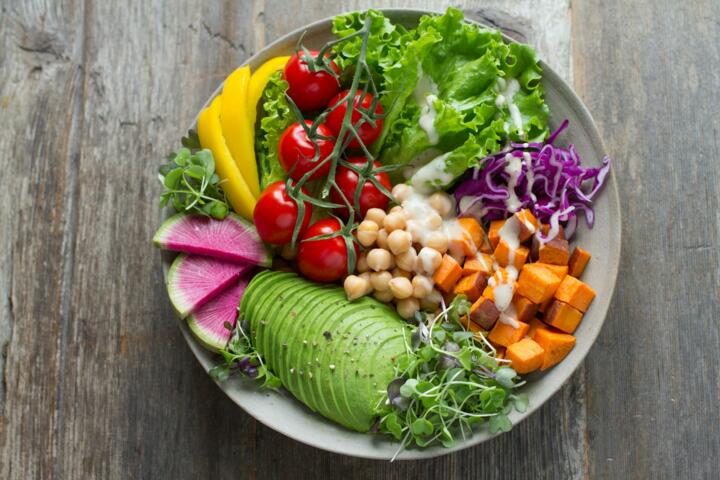
A restricted diet directly harms gut health. The human microbiome thrives on diversity, specifically from a wide variety of plant fibers. When an individual limits their carbohydrate sources to just sweet potatoes and broccoli, they starve out specific bacterial strains that require different fiber types to produce short-chain fatty acids.
Gastroenterologists recommend consuming 30 different plant foods per week to maintain a resilient gut ecosystem. Rigid diets that forbid legumes, grains, or nightshades inherently work against this metric. Expanding your food selection, even to include processed items with complex starches, provides the substrate necessary for a robust microbiome.
Metabolic Inefficiency
Extreme clean eating can inadvertently lower metabolic rate. Because whole, unprocessed foods are highly satiating, individuals often under-eat total calories without realizing it. Chronic caloric restriction signals the thyroid to down-regulate energy expenditure, leading to fatigue, hair loss, and a stalled metabolism.
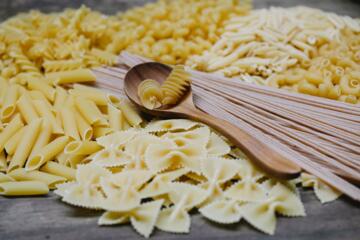
This is particularly common among clean-eating athletes who suffer from Relative Energy Deficiency in Sport (RED-S). They physically cannot consume enough volume of bulky, fibrous foods to match their caloric expenditure. Reintroducing concentrated energy sources, such as white rice or standard pasta, is often required to restore hormonal balance and athletic performance.
Dietary Strategy Outcomes
A corporate wellness program at a tech firm, Zenith Systems, tracked 200 employees who adopted a strict "raw food and clean eating" challenge for six months. While initial weight loss occurred, 64% of participants reported chronic fatigue by month three. Lab panels revealed a collective drop in serum ferritin and vitamin B12 levels among the stricter adherents.
The firm shifted the strategy to a flexible 80/20 nutrition framework, allowing for processed convenience items alongside whole foods. Within twelve weeks, employee energy scores rebounded by 45%. Compliance rates climbed significantly because the pressure of dietary perfection was removed, proving that flexibility outperforms rigidity over a sustained timeline.
Data from long-term weight loss registries confirms that individuals who allow for treats and processed foods maintain their weight loss for longer periods. The elimination of the "all-or-nothing" mentality prevents the common cycle of strict restriction followed by massive binging, stabilizing both weight and psychological health.
Dietary Framework Review
| Metric | Rigid Clean | Flexible 80/20 | Outcome |
|---|---|---|---|
| Variety | Low | High | Optimal |
| Anxiety | High | Low | Positive |
| Cost | Premium | Moderate | Savings |
| Adherence | Short-term | Permanent | High |
Avoiding Wellness Traps
To avoid the pitfalls of clean eating, stop using moral language when describing food. Food does not have a moral code; it is either nutrient-dense or energy-dense. Calling a donut "bad" or a salad "good" triggers subconscious shame mechanisms that complicate your relationship with eating.
Another error is relying on wellness influencers for biochemical advice. Many influencers promote restrictive diets to sell specific supplement lines or coaching programs. Always cross-reference dietary claims with registered dietitians or peer-reviewed literature from organizations like the Academy of Nutrition and Dietetics.
Finally, avoid the trap of assuming a product is healthy just because it uses buzzwords. A bag of chips labeled "organic, gluten-free, non-GMO, vegan" still undergoes significant processing and contains the same caloric load as standard potato chips. Focus on the macronutrient profile on the back of the package, not the marketing copy on the front.
FAQ
Is clean eating dangerous?
It is not inherently dangerous to eat whole foods, but the rigid mindset accompanying the trend can lead to clinical eating disorders like orthorexia. When the fear of "unclean" food interferes with social life or causes nutrient deficiencies, it becomes medically hazardous.
Should I buy organic?
From a nutritional standpoint, organic food is not superior to conventional food. If you have the budget and prefer it for environmental reasons, you can buy it. However, consuming conventional fruits and vegetables is vastly healthier than avoiding produce altogether due to organic price premiums.
What is the 80/20 rule?
The 80/20 rule is a flexible dietary framework where 80% of your daily calories come from whole, nutrient-dense foods, and the remaining 20% can come from processed or fun foods. This approach ensures physiological health while preserving psychological well-being and social flexibility.
Are processed foods toxic?
No, processing is a spectrum. Puffed rice, frozen vegetables, and canned tuna are all technically processed foods, yet they are highly nutritious. Ultra-processed foods should be limited due to low nutrient density, but they are not toxic or poisonous in moderate amounts.
Can kids eat clean?
Enforcing strict clean eating rules on children can damage their relationship with food and restrict calories needed for growth. Children require energy-dense options and benefit most from learning balance, variety, and intuitive eating rather than strict food avoidance paradigms.
Author's Insight
Early in my coaching career, I fell directly into the clean eating trap, tracking every ingredient and avoiding social events to maintain a pristine diet. The result wasn't superior health; it was elevated cortisol, a damaged social life, and constant food fixation. Reintroducing standard pasta, bread, and occasional desserts restored my performance and lowered my stress levels. True health is possessing the physiological capacity to process a wide range of foods without psychological distress.
Summary
The clean eating movement simplifies nutrition into a black-and-white framework that ignores human psychology and metabolic science. Embracing a flexible dietary model reduces food anxiety, protects gut microbiome diversity, and saves significant money at the grocery store. Shift your focus away from food purity and toward overall dietary variety, caloric balance, and life enjoyment. True nutritional mastery is defined by sustainability, not restriction.