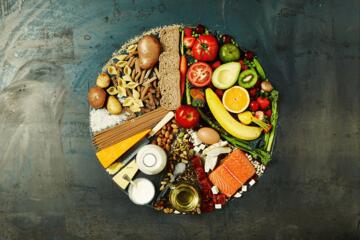
Nutritional Architecture
When we talk about macronutrients, we are discussing the primary building blocks of human life: proteins, carbohydrates, and fats. These aren't just "food groups"; they are chemical messengers that tell your body whether to burn fat, build muscle, or store energy for a rainy day. An expert approach ignores the "all-or-nothing" diet trends and focuses on metabolic flexibility—the body's ability to switch between fuel sources efficiently.
In a clinical setting, we often see patients who consume "healthy" food but fail to see results because their ratios are skewed. For instance, a marathon runner needs a significantly different glycogen-to-lipid ratio than a sedentary software engineer. According to the National Health and Nutrition Examination Survey (NHANES), nearly 42% of Americans have a diet deficient in essential micronutrients, often because they focus on caloric volume rather than macronutrient density.
Consider the "Thermic Effect of Food" (TEF). Protein has a TEF of approximately 20-30%, meaning your body burns nearly a third of the calories in a steak just to digest it. Carbohydrates sit at 5-10%, while fats are the lowest at 0-3%. Understanding these numbers is the difference between a sluggish metabolism and a high-performance engine.
Modern Diet Pitfalls
The most common mistake I encounter is "Macro-Anemia"—a state where someone eats enough calories but is starving at a level. People often fall into the trap of the "Hidden Sugar Cycle," where low-fat processed foods are compensated with high fructose corn syrup. This leads to insulin spikes that shut down lipolysis (fat burning) for hours at a time.
Another critical issue is the fear of fats. For decades, outdated guidelines suggested fat was the enemy, leading to a surge in hormonal imbalances. Fats are the precursors to cholesterol, which is the backbone of testosterone and estrogen production. Without adequate healthy fats, your endocrine system essentially operates in "battery saver mode," leading to brain fog and decreased libido.
Real-world consequences are visible in the rise of Non-Alcoholic Fatty Liver Disease (NAFLD), which now affects roughly 25% of the global population. This is frequently driven by excessive intake of refined carbohydrates without the buffering effect of fiber or protein, causing the liver to convert excess glucose into visceral fat at an alarming rate.
Strategic Diet Intake
Precision Protein Synthesis for Lean Mass
Protein is the only macronutrient that provides nitrogen, essential for tissue repair. Aim for 1.6 to 2.2 grams of protein per kilogram of lean body mass if you are active. Sources like pasture-raised eggs or wild-caught salmon provide high bioavailability. Tools like Cronometer are excellent for tracking specific amino acid profiles to ensure you aren't missing leucine, the primary trigger for muscle protein synthesis.
Carbohydrate Cycling for Metabolic Agility
Carbohydrates are your high-octane fuel, but they must be earned. Focus on "Slow Carbs" with a low Glycemic Index (GI), such as black beans or steel-cut oats. On days with heavy resistance training, increase your intake to replenish muscle glycogen. On sedentary days, pivot toward fibrous vegetables. Using a Nutrisense Continuous Glucose Monitor (CGM) can show you exactly how a sweet potato versus white rice affects your blood sugar in real-time.
The Lipid Profile: Fueling the Brain and Hormones
Fats should comprise 20-35% of your total intake. Focus on Monounsaturated Fatty Acids (MUFAs) from extra virgin olive oil and Omega-3s from walnuts or algae oil. Avoid seed oils (soybean, corn, canola) which are high in Omega-6 and can contribute to systemic inflammation. Research indicates that a 1:1 ratio of Omega-6 to Omega-3 is ideal, yet the average Western diet is closer to 15:1.
Hydration and the Electrolyte Matrix
Nutrient absorption is impossible without proper hydration. It isn't just about water; it's about the electrical charge. If you are eating a "clean" diet low in processed foods, you likely need more salt, not less. Adding an electrolyte supplement like LMNT or Liquid I.V. helps transport glucose into cells more effectively, preventing the "keto flu" or general afternoon lethargy.
The Fiber Gap: Supporting the Microbiome
Fiber is technically a carbohydrate that we don't digest, but our gut bacteria do. Aim for 30-40 grams daily. High-fiber diets are linked to lower LDL cholesterol and improved insulin sensitivity. Incorporating psyllium husk or fermented foods like Kimchi supports the gut-brain axis, which regulates appetite signals like ghrelin and leptin.
Micronutrient Synergy and Bioavailability
Don't view macros in isolation. Vitamin D is fat-soluble; if you take your supplement with a fat-free breakfast, you are wasting money. Similarly, iron is better absorbed when paired with Vitamin C (carbohydrates). This synergy is why whole foods always outperform isolated powders. Services like InsideTracker can analyze your blood work to see if your macro choices are actually translating into optimized nutrient markers.
Real-World Evidence
Case Study 1: The Corporate Executive
A 45-year-old male executive at a Fortune 500 company complained of "3 PM crashes" and weight gain despite a low-calorie diet. His macros were 60% carbs (mostly refined), 15% protein, and 25% fat. We shifted him to a 35/35/30 split, focusing on high-protein breakfasts and healthy fats. Within 12 weeks, his HbA1c levels dropped from 5.7 to 5.2, and he reported a 40% increase in afternoon productivity metrics tracked via RescueTime.
Case Study 2: The Plateaued Athlete
A female CrossFit athlete was struggling to hit new personal records. She was "eating clean" but avoiding carbs out of fear of bloating. By introducing "targeted carb loading" (adding 50g of high-GI carbs intra-workout), her power output increased by 15% over two months. Her recovery time, measured by Whoop strain and sleep scores, improved drastically because her body stopped catabolizing muscle for energy.
Optimization Checklist
| Macronutrient | Specs & Function | Optimal Sources | Daily Goal |
|---|---|---|---|
| Protein | 4 kcal/g. Repair & enzymes. | Beef, eggs, whey | 0.8-1g per lb |
| Carbs | 4 kcal/g. High energy. | Quinoa, tubers | 20% - 50% |
| Fats | 9 kcal/g. Hormones & brain. | Avocado, nuts | 25% - 35% |
Common Diet Blunders
The "Halo Effect" is a frequent trap. Just because a snack is labeled "Keto" or "Gluten-Free" doesn't mean the macros are balanced. Many Keto snacks are excessively high in saturated fats and low-quality sugar alcohols that cause digestive distress. Always read the label for the "Net Carb" count and check for hidden inflammatory oils.
Another error is ignoring liquid macros. A "healthy" green smoothie from a commercial chain can contain upwards of 60 grams of sugar and zero fiber. This causes a massive insulin spike. If you make smoothies at home, ensure you add a fat source (like almond butter) and a protein scoop to blunt the glycemic response.
FAQ
1. Can I lose weight without tracking macros?
Yes, but it's like driving without a fuel gauge. Tracking for even 30 days provides the "nutritional literacy" needed to make intuitive choices later on.
2. Is a high-protein diet hard on the kidneys?
For individuals with healthy kidney function, research (including studies from the Journal of the International Society of Sports Nutrition) shows no adverse effects. Always consult a doctor if you have pre-existing renal issues.
3. Should I avoid carbohydrates at night?
There is no metabolic "cutoff" at 6 PM. In fact, some people sleep better with a small amount of complex carbs at dinner as it aids in tryptophan transport to the brain.
4. What is the most important macro for satiety?
Protein. It has the highest impact on reducing ghrelin (the hunger hormone) and increasing PYY, which makes you feel full.
5. Are all fats created equal?
No. Trans fats (found in some margarines and fried foods) are linked to heart disease, while Omega-3s are cardioprotective. Focus on the source, not just the fat gram count.
Author’s Insight
In my decade of coaching high-level performers, I've found that consistency beats intensity every time. I personally follow a "90/10" rule: 90% of my meals are macro-balanced whole foods, and 10% are whatever I enjoy. This prevents the psychological burnout that kills most diets. My biggest takeaway is this: stop viewing food as a reward or a punishment, and start viewing it as data for your biology. When you get the ratios right, the "willpower" to stay fit becomes unnecessary because your hunger hormones are finally working with you, not against you.
Summary
Mastering your macronutrients is a journey of self-experimentation and data-driven adjustments. Start by tracking your current intake for three days to establish a baseline. Focus on hitting your protein targets first, then fill the remaining calories with fats and carbohydrates based on your activity levels. By prioritizing whole food sources and utilizing modern tracking tools, you can move away from restrictive dieting and toward a sustainable, high-energy lifestyle. The most effective diet is the one you can maintain while feeling your absolute best.