Stretching After Training
Stretching after exercise refers to moving a joint through a comfortable range while the body is cooling down, often after strength training, running, cycling, or sports practice. People use it to feel less tight, regain range of motion, and finish a session with a calmer, more controlled movement pattern.
Two evidence-based facts help frame the topic. First, a randomized trial in healthy adults reported that a short bout of static stretching performed after exercise reduced short-term muscle soreness compared with no stretching, though the effect size varied across studies and outcomes. Second, a large review of stretching research found that stretching can improve flexibility measures, but the gains depend on the type of stretching and the total time spent stretching over weeks, not just a single session.
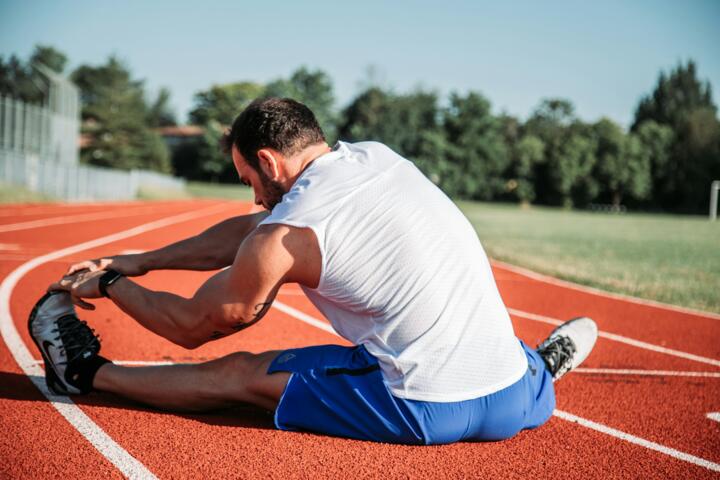
In practice, stretching after training often targets the muscles you used most. For example, after a run you might stretch the calves and hip flexors; after a leg workout you might stretch the quadriceps and hamstrings; after upper-body training you might stretch the chest and shoulders. The goal is not to force the body into extreme positions, but to use the post-exercise window when tissues are warm and movement feels easier.
Common Pain Points
Many people stretch in ways that conflict with how the body responds to exercise. A frequent mistake is stretching aggressively right after a hard set or sprint, when the nervous system is still primed for force production and the muscle-tendon unit is actively recovering. That approach can increase discomfort and, in some cases, irritate already-sensitive tissue.
Another issue is confusing soreness with injury. Delayed-onset muscle soreness typically peaks 24–72 hours after a workout and reflects microscopic muscle damage and inflammation, not a need to “stretch it out” aggressively. Gentle stretching may feel soothing, but forcing range of motion through sharp pain can worsen irritation.
Some people also stretch the wrong tissues for the problem they feel. Tightness in the low back after deadlifts may relate to hip mobility limits, trunk control, or breathing mechanics rather than only hamstring length. Stretching only one area can leave the underlying movement constraint unchanged.
Biologically, stretching after exercise can influence two systems. Muscle-tendon stiffness can decrease temporarily after heating and movement, which can make range of motion feel better. At the same time, the nervous system uses sensory feedback from muscle spindles and joint receptors to regulate how far you can move comfortably; gentle stretching can reduce protective muscle guarding and improve perceived ease of movement.
Real-world situations show why this matters. If you finish a workout and immediately sit for long periods, stiffness often increases. If you train repeatedly with limited recovery and no mobility work, you may notice reduced stride length, less comfortable squatting depth, or shoulder tightness during pressing. Stretching after exercise is one tool that can counter some of these short-term effects when done safely.
What to Do After Exercise
Choose gentle static holds
Use static stretching after your workout with a mild to moderate sensation, not pain. A common starting point is 20–45 seconds per stretch, repeated 2–3 times for the main muscle groups you trained. This timing fits the post-exercise cooling phase when tissues are warm and you can move through a comfortable range.
Why it works: static stretching can reduce short-term stiffness and improve comfort by changing sensory input from muscles and joints. It does not “repair” muscle damage instantly, but it can make movement feel easier during recovery.
What it looks like: after cycling, stand and stretch the calf with a slight knee bend, hold for about 30 seconds, then switch sides. Keep your breathing slow and avoid bouncing.
Tools or methods: a wall for balance, a strap for hamstring stretching, or a yoga mat for support. Use mirrors or phone video to check alignment and avoid twisting.
Realistic outcome: many people notice reduced tightness immediately after a session, while flexibility improvements from stretching usually require consistent practice over weeks.
Use dynamic mobility first
Reserve dynamic mobility for before training, then use stretching after. Dynamic mobility involves controlled movement through range—like leg swings, arm circles, or hip hinges—without holding end ranges for long periods.
Why it works: dynamic movements raise temperature and prepare joints for activity, while post-workout static stretching targets comfort and stiffness. Mixing aggressive end-range holds into the warm-up can reduce performance for some people, especially before strength work.
What it looks like: before a run, do 1–2 minutes of leg swings and ankle rocks; after the run, do calf and hip flexor static stretches.
Tools or methods: a timer, a small space for swings, and a simple mobility routine you can repeat.
Realistic outcome: dynamic mobility can improve how you move during the workout, while post-workout stretching can improve how you feel afterward.
Match stretching to your goals
Pick stretches based on the movement you want to improve. If your training involves squats and lunges, prioritize hip flexors, quadriceps, and glutes. If you press overhead or do push-ups, prioritize chest and shoulder mobility.
Why it works: stretching changes range and comfort at specific joints, so the most relevant tissues for your sport or exercise pattern tend to benefit most. Over-stretching unrelated areas can waste time and increase the chance of irritation.
What it looks like: after leg day, include hamstring and quadriceps stretches; after rowing, include hip flexor and thoracic rotation work.
Tools or methods: a short “post-session checklist” that lists 3–5 stretches aligned with your workout.
Realistic outcome: you may feel better in the movements you train, but flexibility gains still depend on total weekly stretching time.
Try contract-relax for stubborn tightness
Contract-relax stretching combines a gentle stretch with a brief isometric contraction, then a relaxed increase in range. One practical approach is: stretch to a mild discomfort level, contract the target muscle at about 20–30% effort for 5–10 seconds, then relax and move slightly further for 10–20 seconds.
Why it works: this method can reduce protective muscle guarding through changes in neuromuscular signaling. Evidence supports its use for improving range in some contexts, though results vary and it is not necessary for everyone.
What it looks like: for hamstrings, sit with a strap around the foot, gently stretch, lightly “push” the heel into the strap for a few seconds, then relax and extend the stretch.
Tools or methods: a resistance band or strap, and a focus on low effort rather than maximal pushing.
Realistic outcome: some people gain extra range compared with static stretching alone, but the improvement is usually gradual and best tracked over weeks.
Keep pain rules clear
Use a pain scale to guide intensity. Stretching should feel like tension or mild discomfort that stays within your tolerance; sharp, pinching, or nerve-like pain is a stop signal. If a stretch causes symptoms that linger or worsen after the session, reduce range or choose a different position.
Why it works: joints and tendons have protective reflexes that respond to high mechanical stress. Forcing end range can irritate structures, especially if you already have inflammation or instability.
What it looks like: if a shoulder stretch produces a sharp front-of-shoulder pain, switch to a gentler doorway stretch or reduce the arm angle.
Tools or methods: a simple “stoplight” rule—green for mild tension, yellow for uncomfortable but tolerable, red for sharp pain.
Realistic outcome: staying within comfortable ranges reduces the chance of turning soreness into a longer-lasting flare.
Time it for recovery, not fatigue
Plan stretching after exercise when you are no longer performing high-intensity work. A typical session is 5–12 minutes total, focusing on the muscles you trained most. If you feel very fatigued, shorten the routine and keep the intensity low.
Why it works: post-exercise stretching is less likely to interfere with performance when it occurs after training. It also fits recovery behaviors like hydration and cool-down breathing.
What it looks like: after lifting, do a brief cool-down walk, then stretch for a few minutes before showering.
Tools or methods: a workout log that notes which stretches you did and how your body felt afterward.
Realistic outcome: you can improve comfort without turning stretching into a long, exhausting session.
Track range and comfort over weeks
Flexibility changes are not immediate for everyone. Track a simple measure you can repeat, like how close you can reach toward your toes with a straight back or how deep you can squat comfortably.
Why it works: repeated stretching provides cumulative neuromuscular and tissue adaptation. Short-term relief from stiffness is common, but long-term range improvements require consistent exposure.
What it looks like: measure once per week, not daily, and record the sensation level during the stretch.
Tools or methods: a phone photo from the same angle, a tape measure for reach distance, and a consistent warm-up.
Realistic outcome: you may see gradual improvements in comfort and range over 4–8 weeks, depending on baseline mobility and total stretching time.
Educational Case Examples
Runner with calf tightness
A recreational runner notices tight calves after long runs and feels stiff when starting the next day. They add a 7-minute post-run routine: calf static stretches (30 seconds each side, 2 rounds) and a gentle soleus stretch with a bent knee. They keep the sensation mild and stop if they feel sharp pain. Over several weeks, they report less morning tightness and smoother warm-up, while soreness still follows the usual 1–3 day pattern after harder workouts.
Strength trainee with shoulder stiffness
A person who trains pressing and rows feels shoulder tightness after workouts. They include chest and front-shoulder stretches after training and avoid aggressive overhead end-range holds. They also reduce stretch intensity when symptoms linger into the next day. Their range during push-ups improves gradually, while they keep strength training form consistent and do not stretch through pinching pain.
Stretching Checklist
| Goal | Best post-workout choice | Typical dose | What to watch |
|---|---|---|---|
| Reduce stiffness | Gentle static stretching | 20–45 seconds × 2–3 rounds | No sharp pain; symptoms should not worsen later |
| Improve range over time | Static stretching plus consistency | 3–5 minutes total, most days or 3–4×/week | Track comfort and range weekly; avoid daily maximal stretching |
| Stubborn tightness | Contract-relax (low effort) | 5–10 seconds contraction, 10–20 seconds relax × 2–3 rounds | Stop if nerve-like symptoms appear |
| Finish a session | Short routine matched to trained muscles | 5–12 minutes total | Keep it easy when fatigued; don’t turn stretching into a workout |
Common Mistakes
Stretching through sharp pain is the most common error. Mild tension is expected, but pinching, burning, or radiating sensations can indicate irritation that needs a different approach.
Another mistake is stretching only when flexibility is already limited. If you wait until you feel very tight and then force end range, you may increase guarding. A gentler routine more often tends to be better tolerated.
People also overdo the duration. Long holds like 2–5 minutes per stretch can increase discomfort without clear added benefit for short-term recovery, especially when performed at high intensity.
Some skip the warm-up entirely and stretch cold. Cold stretching can feel harder and may increase the chance of pulling a muscle. A brief cool-down walk or light movement before stretching helps you reach a comfortable position.
Finally, stretching the same way for every workout ignores the training stimulus. After a heavy leg day, you may need more focus on hip flexors and quadriceps; after a long run, calves and hamstrings may matter more. Matching stretches to what you trained improves relevance and reduces wasted effort.
FAQ
Is static stretching after exercise better than before?
Static stretching after training is commonly used for comfort and short-term stiffness reduction. Static stretching before strength work can reduce performance for some people, especially when held at high intensity, so many routines place static stretching in the post-workout period.
How long should I stretch after a workout?
A practical range is about 5–12 minutes total, focusing on the muscles you trained most. If you stretch for longer, keep intensity low and avoid forcing end range, since longer sessions do not automatically translate into better recovery.
Will stretching prevent muscle soreness?
Some studies report reduced short-term soreness with post-exercise stretching, but effects vary by study design, stretching dose, and the type of soreness. Stretching is not a guaranteed prevention method for delayed-onset muscle soreness.
Can stretching help if I feel tight the next day?
Gentle stretching can reduce perceived stiffness, but it should not override pain signals. If tightness comes with sharp pain, swelling, or symptoms that worsen over time, reduce intensity and consider medical advice.
Should I stretch injured areas?
Stretching an area that is acutely injured or causing sharp, radiating, or worsening symptoms can aggravate irritation. In those situations, it’s safer to avoid end-range stretching and seek professional guidance for the underlying issue.
Author's Insight
Stretching after exercise works best when it matches the body’s recovery stage and the type of sensation you feel. Warm tissues and calmer nervous system activity after training can make gentle range-of-motion work more comfortable, which often translates into better short-term mobility. Long-term flexibility changes depend on repeated exposure over weeks, not a single session. If stretching increases pain or causes lingering symptom flare-ups, the intensity or choice of position likely needs adjustment, and professional evaluation may be appropriate.
Key Takeaways
Stretching after exercise can reduce short-term stiffness and improve comfort when done gently and timed after training. Use mild-to-moderate tension, avoid sharp pain, and keep sessions short (often 5–12 minutes) while focusing on the muscles you trained. Flexibility gains usually require consistent practice over weeks, so track comfort and range rather than expecting immediate large changes.
Stretching is not a substitute for appropriate training load management, rest, and medical care when symptoms are concerning. Seek professional medical advice if you have persistent pain, swelling, numbness or tingling, loss of function, or symptoms that worsen despite reducing stretching intensity.