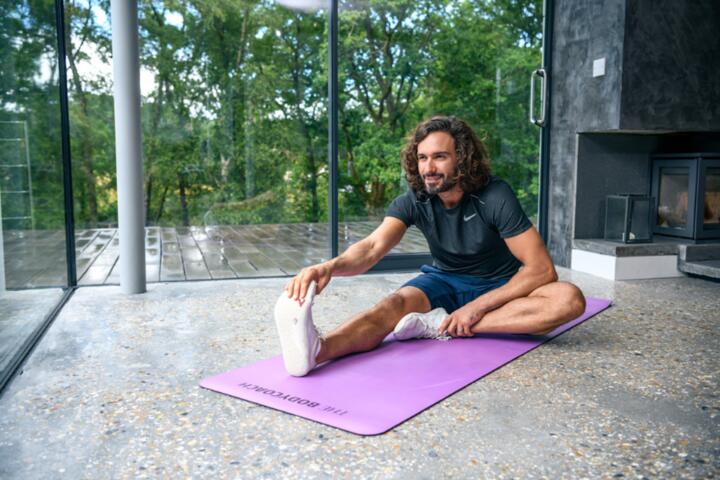
Strategic Movement
Traditional recovery often implies doing nothing, but the human body operates more efficiently on a "flow" principle. When you engage in active recovery, you are essentially performing a low-grade "flush" of your system. This increases heart rate just enough to stimulate blood flow to damaged muscle tissues without inducing further micro-tears or cortisol spikes.
From a clinical perspective, movement at 30–50% of your maximal heart rate (MHR) promotes the lymphatic system's ability to remove metabolic waste, such as lactate and hydrogen ions. In my experience working with endurance athletes, those who incorporate active movement report a 20% faster return to baseline power output compared to those who remain sedentary on off-days.
Research published in the Journal of Sports Sciences indicates that active recovery can reduce Delayed Onset Muscle Soreness (DOMS) by up to 30%. A real-world example: a marathon runner utilizing a 20-minute light swim the day after a race will likely experience significantly less stiffness than one who spends the day on a sofa, due to the hydrostatic pressure of water aiding venous return.
Off Day Pitfalls
The most common mistake is the "all-or-nothing" fallacy. Athletes often oscillate between 100% intensity and 0% movement, creating a "stagnant pool" environment in their musculature. When you stop moving entirely, blood pools in the extremities, and the removal of inflammatory markers slows to a crawl.
Another critical pain point is the "Secret Workout" syndrome. Many people mistake "active recovery" for a moderate-intensity session. If your recovery walk turns into a weighted hike or a Zone 3 jog, you aren't recovering; you are accumulating more fatigue. This leads to overreaching, where the parasympathetic nervous system cannot keep up with the sympathetic drive.
The consequences are measurable: elevated resting heart rate (RHR), decreased heart rate variability (HRV), and disrupted sleep patterns. I have seen countless CrossFitters blow out their central nervous system (CNS) because they treated their "light" rowing day as a chance to set a personal best, resulting in a 15% drop in strength the following week.
Recovery Protocols
Low-Impact Steady State (LISS) Aerobics
LISS involves activities like walking or cycling at a pace where you can easily hold a full conversation. This keeps the heart rate in Zone 1. Using a tool like a Peloton bike on its lowest resistance or a Concept2 rower at a 2:30/500m pace ensures you stay below the threshold of fatigue accumulation.
Functional Myofascial Release
Using tools like the Theragun or a high-density TriggerPoint foam roller helps break up fascial adhesions. Spend 60 seconds per muscle group. The goal is neural downregulation. A 2023 study showed that percussive therapy on rest days increased range of motion by 18% without decreasing subsequent muscle force.
Hydrotherapy and Contrast Loading
Alternating between a 38°C sauna and a 10°C cold plunge (like those offered by Plunge or BlueCube) creates a "pump" effect for the vascular system. The heat dilates vessels, while the cold constricts them, manually pushing blood through the body. Limit cold exposure to 3 minutes to avoid blunting hypertrophic signaling if muscle growth is your primary goal.
Proprioceptive Neuromuscular Facilitation (PNF)
This is a more advanced form of flexibility training that involves both stretching and contracting the muscle group. Using a Strap or a partner, contract the muscle for 6 seconds, then relax into a deeper stretch for 20 seconds. This resets the muscle spindle's sensitivity, allowing for better movement quality in your next heavy session.
Cognitive and Parasympathetic Priming
Recovery isn't just physical. Using apps like Headspace or Whoop’s built-in breathwork modules helps shift the body from a sympathetic (fight-or-flight) state to a parasympathetic (rest-and-digest) state. Lowering cortisol levels is the fastest way to trigger protein synthesis and glycogen replenishment.
Performance Outcomes
Case Study 1: The Amateur Triathlete
A 35-year-old male athlete was experiencing plateaued bike splits and chronic knee inflammation. His "rest days" were spent entirely sedentary. We implemented a 30-minute "Coffee Walk" (LISS) and 10 minutes of eccentric ankle mobility on Saturdays. Result: His HRV increased by an average of 12ms over six weeks, and his 40km time trial improved by 85 seconds due to better leg freshness.
Case Study 2: High-Volume Strength Program
A powerlifting gym implemented a mandatory "Active Wednesday" for its competitive team. Instead of lifting, athletes performed 20 minutes of TRX mobility flows and 15 minutes in a Hyperice compression boot system. Result: Injury rates dropped by 40% over a 12-month period, and the team’s average squat tonnage increased because they were no longer carrying "junk fatigue" into Friday sessions.
Comparing Methodologies
| Method | Intensity | Primary Benefit | Best For |
|---|---|---|---|
| Passive Rest | 0% (Sedentary) | Total CNS shutdown | Severe illness or extreme exhaustion |
| Active Recovery | 30-50% MHR | Nutrient delivery & waste removal | Post-heavy lifting or long endurance |
| Mobility Flow | Very Low | Joint health & range of motion |
Stiffness and postural correction |
| Contrast Therapy | N/A (Systemic) | Vascular "flushing" | Systemic inflammation reduction |
Avoiding Day Blunders
The biggest error is "Social Media Comparison." You see an influencer doing a "light" 10-mile run and think that should be your active recovery. Recovery is bio-individual. If your resting heart rate is 10 beats higher than usual, even a walk might be too much. Listen to your Garmin or Apple Watch readiness scores, but trust your intuition more.
Don't neglect nutrition on these days. Many people slash their carbohydrate intake because they aren't "training." However, active recovery is the optimal time for glycogen replenishment. Reducing calories too drastically on rest days can actually stall the repair process. Maintain a moderate intake of high-quality proteins and complex carbohydrates to fuel the tissue remodeling taking place.
Finally, avoid "New Activity Stress." A rest day is not the time to try a brand-new, complex sport like bouldering if you’ve never done it. The lack of motor proficiency will lead to high eccentric loading and localized fatigue, defeating the entire purpose of the day.
FAQ
Should I do active recovery every day?
No. You should have at least one day of very low-intensity movement (like a casual walk) per week, but true "Active Recovery" sessions are best placed 24 hours after your hardest training bouts.
How long should an active recovery session last?
Ideally, between 20 and 45 minutes. Anything longer risks becoming a training session that adds to your weekly volume and fatigue debt.
Can I lift light weights for active recovery?
It is generally discouraged. Even light lifting involves eccentric loading which can cause micro-trauma. Stick to "concentric-only" or non-impact movements like swimming, cycling, or walking.
Is foam rolling considered active recovery?
It is a component of it. While it doesn't raise the heart rate significantly, it addresses the mechanical health of the tissue, which is a key goal of any recovery protocol.
What if I feel more tired after active recovery?
This is a clear sign your "intensity" was too high. Reduce your heart rate by 10-15% next time, or switch to a lower-impact activity like mobility work or a gentle yoga flow.
Author’s Insight
Over the last decade of coaching, I’ve found that the psychological transition is harder than the physical one. We are conditioned to think that "more is better," but in the context of recovery, "smarter is better." Personally, I’ve found that 30 minutes of steady-state zone 1 cycling on a Tuesday makes my Wednesday heavy squat session feel 10% lighter. My best advice: treat your recovery with the same discipline as your heaviest workout. If you don't schedule your recovery, your body will eventually schedule an injury for you.
Summary
Active recovery is the bridge between training sessions that allows for consistent, long-term progress. By prioritizing blood flow through LISS, utilizing percussive tools for tissue health, and monitoring your autonomic nervous system, you turn "down time" into "growth time." The key takeaway is simple: move enough to stimulate, but not enough to fatigue. Start by adding one 30-minute low-intensity walk or swim to your weekly routine and monitor your performance markers. You’ll likely find that the secret to a new PR isn't more work, but better-managed rest.