The Science of Pressure
Compression therapy works by mimicking the body's natural muscle pump mechanism. When you exercise, your muscles contract to push blood back toward the heart against gravity. After training, this "pump" slows down, leading to fluid pooling in the lower extremities. Medical-grade compression garments or pneumatic systems apply graduated pressure—highest at the ankle and decreasing up the limb—to facilitate this return flow.
In practice, a marathoner finishing a race often experiences heavy legs due to micro-trauma and fluid shifts. Utilizing a compression sleeve immediately post-race can increase skin temperature and stabilize the muscle fibers, preventing the lateral oscillation that contributes to soreness. It is a mechanical solution to a biological bottleneck.
Research published in the Journal of Strength and Conditioning Research indicates that wearing compression for 24 hours post-exercise can reduce perceived muscle soreness by up to 33%. Furthermore, studies on pneumatic compression systems like Normatec have shown a measurable increase in pressure-to-pain thresholds, meaning athletes can return to training with less discomfort and higher power output.
The Recovery Bottleneck
The most common mistake athletes make is viewing recovery as a passive process. Many rely solely on "active recovery" like light jogging, which can sometimes add further stress to already damaged tissues. Without external circulatory assistance, metabolic byproducts like creatine kinase can linger in the muscle tissue for days, prolonging the inflammatory phase of repair.
Ignoring venous return issues leads to chronic "heavy leg" syndrome. This is especially prevalent in athletes who travel frequently; "Sleeper Syndrome" occurs when an athlete sits on a plane or bus for hours after a game, allowing blood to pool and increasing the risk of Deep Vein Thrombosis (DVT). The consequence is a significant drop in explosive power and agility in the following sessions.
Consider a professional cyclist who finishes a mountain stage and then sits in a car for a three-hour transfer. Without compression, the lack of movement combined with gravity causes cellular debris to stagnate. This leads to a systemic inflammatory response that can derail an entire week of training, turning a minor fatigue into a performance plateau.
Advanced Flow Strategies
Selecting the Right Gradient
Not all compression is created equal. For recovery, you need "medical grade" or "graduated" compression measured in millimeters of mercury (mmHg). While standard gym tights offer 8–15 mmHg, true recovery garments like those from 2XU or CEP provide 20–30 mmHg. This higher pressure is necessary to penetrate deep into the muscle fascia and affect the deep venous system rather than just the superficial veins.
Pneumatic Pulse Technology
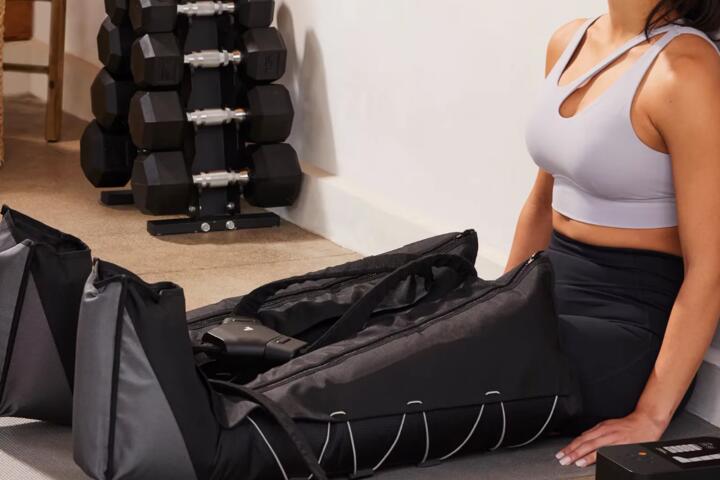
Dynamic compression, such as the systems provided by Hyperice, uses air chambers to create a "pulsing" effect rather than static hold. This mimics the peristaltic pulse of the veins. In a 15-minute session, these devices can move more fluid than an hour of manual massage. It is particularly effective for clearing lymphatic fluid, which is often too viscous to be moved by static socks alone.
Timing and Duration protocols
The "Golden Window" for compression is within the first 30 minutes post-exercise. Data shows that applying pressure while the heart rate is still slightly elevated maximizes the flushing effect. For static garments, a duration of 6 to 12 hours is recommended. For pneumatic boots, a 20–30 minute session at medium intensity (level 4-6 on most devices) provides the optimal balance between fluid clearance and comfort.
Regional Application Nuances
While most focus on legs, upper body compression is vital for swimmers and cross-fitters. Compression tops reduce the swelling in the deltoids and lats, which can otherwise impinge on the subacromial space. Using a sleeve that covers the elbow joint helps manage "pump" in the forearms, a common complaint in rock climbing and grappling sports, by forcing blood out of the distal capillaries.
Synergy with Thermal Flux
Combining compression with cryotherapy or heat (contrast therapy) creates a powerful vascular flush. Wearing a compression sleeve during a cold soak prevents the "rebound swelling" that can happen when the tissue rewarms. Devices like Game Ready combine these two modalities into a single sleeve, using ice water circulation and rhythmic pressure to manage acute injuries and post-op recovery with 20% faster healing times compared to RICE alone.
Microbiome and Skin Health
Expert-level recovery also considers the skin. High-pressure garments can cause irritation if the fabric isn't moisture-wicking. Brands like Skins utilize "Memory MX" fabrics that maintain consistent pressure even when wet with sweat. Ensuring the material is antimicrobial is essential for athletes who wear these garments for long periods, preventing the bacterial buildup that can lead to staph or other skin infections in the locker room environment.
Performance Impact Cases
A professional European football club integrated standardized compression protocols for their mid-season travel. Players were required to wear 20-30 mmHg stockings during all flights over two hours. The medical team reported a 15% reduction in soft tissue calf injuries over the season and a faster normalization of heart rate variability (HRV) scores the morning after matches.
In another instance, an ultra-marathoner using pneumatic compression boots (Normatec) for 20 minutes every evening during a 5-day stage race maintained a 95% consistency in split times. Compared to the previous year where no compression was used, the athlete's markers for muscle damage (lactate dehydrogenase levels) were 22% lower, allowing for a podium finish despite a more grueling course.
Compression Selection Guide
| Tool Type | Pressure Range | Best Use Case | Primary Benefit |
|---|---|---|---|
| Compression Socks | 15–20 mmHg | Daily wear / Travel | Prevents minor edema |
| Recovery Sleeves | 20–30 mmHg | Post-workout (6+ hrs) | Reduces DOMS / Lactic acid |
| Pneumatic Boots | 30–110 mmHg | Acute recovery (30 min) | Lymphatic drainage |
| Full Body Suits | Variable | Sleep recovery | Systemic inflammation reduction |
Avoiding Technical Errors
The most frequent error is improper sizing. If a garment is too loose, it does nothing; if it is too tight at the top (proximal end), it acts as a tourniquet, actually trapping blood in the limb. Always measure your circumference at the widest part of the calf and the narrowest part of the ankle. Never roll the top of the sock down, as this doubles the pressure at a single point, cutting off circulation.
Another mistake is relying on "compression-look" apparel. Many commercial brands sell tight-fitting spandex that lacks the graduated knit pattern required for medical efficacy. Look for "ISO" or "CE" certifications on the packaging. Finally, do not wear high-level compression (over 30 mmHg) while sleeping unless specifically directed by a clinician, as your blood pressure drops during sleep and excessive external pressure can impede arterial inflow.
FAQ
Can I wear compression while sleeping?
Low-grade compression (15-20 mmHg) is generally safe for sleep and can help with recovery. However, high-grade medical stockings are designed for an upright body. If you choose to sleep in them, ensure they are specifically marketed as "sleep recovery" garments which usually have a softer pressure profile to accommodate lower nocturnal blood pressure.
How soon after training should I use it?
Ideally, you should put on compression garments or start a pneumatic session within 30 minutes of finishing your session. This is when the inflammatory cascade is most active. Delaying usage beyond two hours significantly reduces the effectiveness of the "flushing" mechanism.
Does it help with weight loss or fat?
No, compression therapy does not burn fat or aid in direct weight loss. It manages fluid dynamics and blood flow. Any "weight loss" seen immediately after use is likely the reduction of localized edema (water retention) rather than a change in body composition.
How long do compression garments last?
The elastic fibers in high-quality garments like Sigvaris or CEP typically last for 6 months of regular use. After approximately 50-60 washes, the material loses its "snap," and the pressure gradient becomes inconsistent. To extend life, always hand wash and air dry; heat from a dryer ruins the elastane.
Is pneumatic compression better than socks?
They serve different purposes. Pneumatic boots are a high-intensity, short-duration "flush" (active recovery), while socks provide a low-intensity, long-duration "hold" (passive recovery). For the best results, use boots for 20 minutes post-gym, then wear sleeves for the remainder of the day.
Author’s Insight
In my years working with endurance athletes, I’ve found that the psychological "reset" provided by compression is just as valuable as the physiological one. When you put on a pair of recovery boots, you are forced to sit still and focus on recovery, which often leads to better hydration and nutrition choices. My top tip: don't just buy the cheapest option on Amazon. Invest in one pair of high-quality, graduated 20-30 mmHg sleeves from a reputable medical-sports brand—the difference in fabric tension and durability is night and day. Consistency beats intensity every time.
Summary
Compression therapy is a scientifically validated method to enhance circulatory efficiency and shorten the recovery cycle. By selecting medical-grade graduated garments and utilizing pneumatic systems correctly, athletes can mitigate the effects of DOMS and maintain higher training volumes. To start, prioritize 20-30 mmHg sleeves for post-long-run recovery and ensure proper sizing to avoid the tourniquet effect. Effective recovery is a discipline; make mechanical vascular support a non-negotiable part of your post-training ritual.