How Sugar Shapes Energy
Energy through the day depends partly on how stable your blood glucose stays between meals. Sugar-rich foods raise glucose quickly, which triggers insulin release to move glucose into cells. That process can feel like a burst of energy at first, then a drop as glucose falls and hormones shift again.
In the brain, glucose is a primary fuel, and rapid changes can influence alertness, concentration, and perceived fatigue. In muscles, glucose availability affects how hard you can work before you feel drained. When intake repeatedly causes fast glucose rises and falls, many people experience a pattern of “up then down” energy, cravings, and irritability.
Practical examples are common: a sweet coffee drink on an empty stomach, a soda with lunch, or a dessert after dinner. Some people feel a short-lived lift within 15–30 minutes, followed by sleepiness or hunger 1–3 hours later. The timing varies with the portion size, whether the food was eaten with other nutrients, and how quickly the person’s body clears glucose.
Common Missteps And Consequences
A frequent misunderstanding is treating “sugar” as only the white granules in desserts. Many everyday foods contain added sugars, including sweetened beverages, flavored yogurts, breakfast cereals, sauces, and packaged snacks. These can raise glucose quickly even when the meal looks “small.”
Another misstep is assuming that energy crashes come only from low blood sugar. In many cases, the issue is the speed of change: glucose rises quickly, insulin follows, and then glucose levels decline toward the baseline. That decline can coincide with fatigue, headache, shakiness, or difficulty focusing, even if glucose never reaches a dangerously low level.
Repeated spikes can also affect appetite regulation. After a fast rise, insulin and gut hormones shift in ways that can increase hunger later, making it easier to overeat at the next meal. Over time, frequent high sugar intake can contribute to weight gain in some people, which then worsens insulin resistance and makes glucose control harder.
Real-world situations show how this plays out. A person who drinks a sweet beverage during a long work block may feel productive briefly, then start snacking to regain focus. Someone who eats a refined-carb snack at mid-afternoon may feel “wired” for an hour, then struggle through dinner and sleep due to late-day appetite swings.
Biologically, several pathways can contribute: insulin-mediated glucose uptake, changes in blood sugar signaling in the brain, and shifts in stress hormones like cortisol that interact with glucose metabolism. The net result is not identical for everyone, but the pattern of rapid glucose change is a consistent mechanism behind many energy swings.
How To Reduce Energy Swings
Pair Carbs With Protein And Fiber
What to do: When you eat something sweet or starchy, combine it with protein and fiber. This slows digestion and reduces the speed of glucose absorption. Practical examples include adding Greek yogurt or nuts to fruit, choosing whole-grain bread with eggs or nut butter, or having beans with rice instead of rice alone.
Why it works: Fiber increases the viscosity of stomach contents and slows carbohydrate breakdown. Protein slows gastric emptying and affects post-meal glucose kinetics. Together, they reduce the height and steepness of glucose peaks, which often reduces the “crash” feeling.
What it looks like in practice: Instead of a sweet pastry alone, choose a smaller portion and add a protein source (for example, yogurt or cheese) and a fruit or vegetable side. If you drink a sweet beverage, consider having it with a meal rather than on an empty stomach.
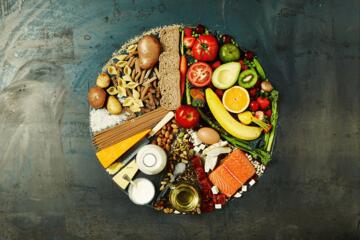
Relevant tools or methods: Use the “plate check” approach—aim for at least one protein portion and one fiber-rich food (vegetables, beans, lentils, berries, or whole grains) alongside carbohydrates. Reading labels helps identify hidden added sugars in sauces and snacks.
Realistic outcomes: Many people notice fewer cravings and less sleepiness within 1–2 weeks when they consistently reduce fast-digesting sugar-only snacks. Individual responses vary, especially if meals already include fiber and protein.
Choose Drinks And Snacks Wisely
What to do: Limit sugar-sweetened beverages and treat them as occasional rather than routine. If you want sweetness, consider smaller portions, unsweetened alternatives, or drinks with no added sugar. For snacks, prioritize foods that contain sugar plus other nutrients rather than sugar alone.
Why it works: Liquid sugar is absorbed quickly because it bypasses some of the chewing and digestion steps that slow solid foods. That can create a faster glucose rise and a quicker insulin response.
What it looks like in practice: Replace soda with water, sparkling water, or unsweetened tea. If you keep juice, pair it with a meal or choose smaller servings. For a sweet craving, try fruit with yogurt or a small handful of nuts instead of candy.
Relevant tools or methods: Track “added sugar” and “serving size” on labels. A product may list a moderate sugar number per serving, but the serving size can be small; eating two servings doubles the sugar load.
Realistic outcomes: Reducing sugary drinks often improves afternoon energy for people who previously consumed them mid-morning or mid-afternoon. Some people also sleep better when they avoid sweet drinks late in the day.
Time Meals To Match Your Day
What to do: Spread carbohydrate intake across the day and avoid large sugar-heavy meals late at night. If you skip breakfast and then eat a sweet lunch, glucose swings can be larger than if you had a balanced breakfast earlier.
Why it works: Meal timing affects insulin sensitivity and how quickly you return to baseline glucose. Eating a large amount of refined carbohydrate after a long fast can produce a sharper post-meal glucose peak than eating a smaller, balanced meal.
What it looks like in practice: If your schedule makes breakfast difficult, choose a balanced option you can tolerate, such as oatmeal with nuts, eggs with vegetables, or yogurt with berries. For lunch, include vegetables and protein, then keep dessert portions small and not daily.
Relevant tools or methods: Use a simple schedule: aim for three meals with optional planned snacks if needed. If you snack, choose options with protein and fiber rather than sweets alone.
Realistic outcomes: Many people report steadier focus during work hours when they avoid “sugar-only” snacks and keep lunch balanced. Sleep may improve when late-day sugar intake is reduced, though individual patterns differ.
Watch Patterns, Not Just Numbers
What to do: Pay attention to how you feel after different foods and portions. Use a short, practical log for 7–14 days: note what you ate, the time, and your energy level 1–3 hours later.
Why it works: People vary in digestion speed, insulin sensitivity, activity level, and stress. A food that triggers a crash in one person may have a smaller effect in another, especially when eaten with fiber and protein.
What it looks like in practice: If you notice a consistent slump after a specific sweet snack, reduce the portion or change the pairing (for example, add protein). If you feel fine after fruit but crash after candy, the difference likely relates to how quickly the carbohydrate is absorbed.
Relevant tools or methods: A phone note or spreadsheet works. If you use wearable glucose monitors, interpret them cautiously and focus on trends rather than single readings.
Realistic outcomes: Pattern tracking often helps people identify which combinations and portion sizes matter most for their energy. It also reduces the chance of overcorrecting based on one unusual day.
Educational Case Examples
Case 1: Sweet Coffee On Empty
A 32-year-old office worker drinks a sweet latte at 9:00 a.m. without eating breakfast. They feel alert for about an hour, then experience fatigue and strong hunger around 11:30 a.m. They switch to a smaller latte portion and add a protein-containing breakfast (eggs or yogurt) within 30 minutes. Over the next week, their mid-morning hunger becomes less intense and their afternoon focus improves.
What likely changed: the glucose rise was less abrupt because carbohydrate was paired with protein and the meal occurred earlier, reducing the size of the post-meal swing.
Case 2: Soda With Lunch
A 45-year-old who works shifts drinks a can of soda with lunch. They report sleepiness in the early afternoon and frequent snacking. They replace soda with sparkling water and add a side of vegetables and beans to lunch. They still eat dessert sometimes, but they keep it to a smaller portion and not every day.
What likely changed: removing liquid sugar reduced the speed of carbohydrate absorption, and adding fiber improved post-meal glucose stability.
Comparison Checklist For Choices
| Option | What It Tends To Do | Energy Pattern | Better Pairing |
|---|---|---|---|
| Soda Or Sweet Drink | Fast glucose absorption | Often “up then down” | Have with a meal; choose smaller portions |
| Candy Or Pastry Alone | Rapid rise, limited fiber | Cravings and fatigue later | Add protein (yogurt, nuts, cheese) |
| Fruit With Yogurt | Slower absorption | Often steadier energy | Keep portions moderate |
| Beans Or Lentils With Whole Grains | Fiber slows digestion | Less pronounced crashes | Add vegetables for extra fiber |
Common Mistakes
One mistake is replacing sugar with refined starches that still digest quickly. White bread, many crackers, and some snack bars can create similar glucose swings when eaten without fiber and protein.
Another mistake is “compensating” by skipping meals after a sugary snack. Skipping can increase hunger and lead to a larger next meal, which can worsen glucose variability.
Some people overcorrect by cutting all carbohydrates, then struggle with energy during work or workouts. Carbohydrates are not inherently harmful; the pattern of portion size, pairing, and timing matters.
Late-night sugar intake is also a common issue. Even if it does not cause immediate crashes, it can affect sleep quality in some people, which then changes next-day energy regardless of glucose.
FAQ
Why do I feel tired after eating something sweet?
Sweet foods raise blood glucose quickly, which triggers insulin release. As glucose levels fall toward baseline, some people feel fatigue or reduced concentration, especially when the sweet food is eaten alone or in large portions.
Does sugar always cause an energy crash?
No. The crash risk is higher when sugar is consumed without fiber or protein, in liquid form, or after a long gap between meals. Pairing carbohydrates with protein and fiber often reduces the speed of glucose change.
Are natural sugars in fruit different from added sugar?
Fruit contains sugars but also provides fiber, water, and plant compounds that slow digestion. Whole fruit often produces a smaller and slower glucose rise than sugar-sweetened drinks or refined desserts.
Can I eat dessert and still avoid big swings?
Yes for many people. Smaller portions, eating dessert after a balanced meal, and avoiding dessert on an empty stomach can reduce the steepness of glucose changes and may lessen cravings later.
When should I talk to a clinician about energy swings?
If fatigue is frequent, severe, or paired with symptoms like unintended weight loss, excessive thirst, frequent urination, fainting, or recurrent shakiness, it’s reasonable to seek medical advice. Persistent symptoms deserve evaluation rather than self-adjusting sugar alone.
Author's Insight
Energy swings after sugar are usually about the speed of glucose change rather than sugar being the only cause of fatigue. Pairing carbohydrates with protein and fiber slows absorption and tends to smooth post-meal glucose patterns. Liquid sugar often produces faster absorption than solid foods, which can make effects feel stronger. Tracking your own timing and responses for 1–2 weeks can reveal which foods and pairings drive your pattern, since individual insulin sensitivity and meal context vary.
Key Takeaways
- Energy dips often follow rapid glucose rises and falls, especially when sugar is eaten alone or in liquid form.
- Pair carbohydrates with protein and fiber to reduce the steepness of glucose changes.
- Meal timing matters: large sugar-heavy intake after long gaps can increase swings.
- Use short pattern tracking to identify which foods and portions affect your energy most.
- If symptoms are severe or persistent, seek medical advice rather than focusing only on sugar intake.